

Why Rising Copper Demand Is Changing How Manufacturers Source Critical Components
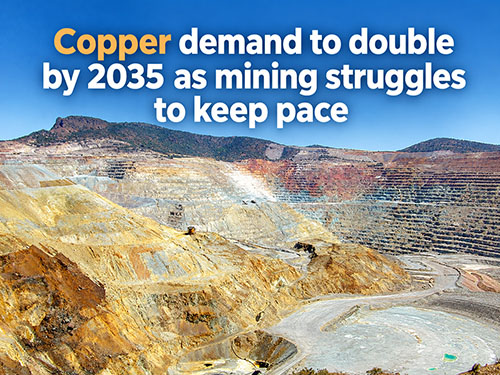
Due to rapidly increasing demand, manufacturers that depend on copper and copper-based alloys are faced with new challenges in material sourcing, pricing, and production planning.
Global demand for copper continues to increase as investments in electrical infrastructure, artificial intelligence, data centers, and industrial development place growing pressure on the world’s metal supply. Recent market reports have highlighted concerns over copper availability, rising prices, and the ability of global mining operations to keep pace with long-term demand.
For manufacturers that depend on copper and copper-based alloys, these developments are creating new challenges in material sourcing, pricing, and production planning. Industries that rely on high-performance metal components such as rings, sleeves, bushings, tubes, and pressure-containing parts must now consider how changing raw material markets could affect their supply chains.
Experienced centrifugal casting foundries, including Johnson Centrifugal Technology, play an important role in helping manufacturers navigate these challenges through specialized alloy knowledge, dependable domestic production, and efficient manufacturing processes.
Growing Demand Is Putting Pressure on Copper Markets
Copper has become increasingly important to the global economy, particularly as investment accelerates across several major industries. Demand is being supported by:
- Power generation and electrical infrastructure
- Artificial intelligence and data center expansion
- Industrial equipment manufacturing
- Electrification and energy development
- Transportation and infrastructure projects
At the same time, copper mining disruptions, declining ore grades, and lengthy development timelines for new mines have created concerns about future supply availability. These pressures can introduce greater price volatility and make long-term purchasing decisions more difficult for manufacturers.
Raw Material Costs Are Becoming a Greater Consideration
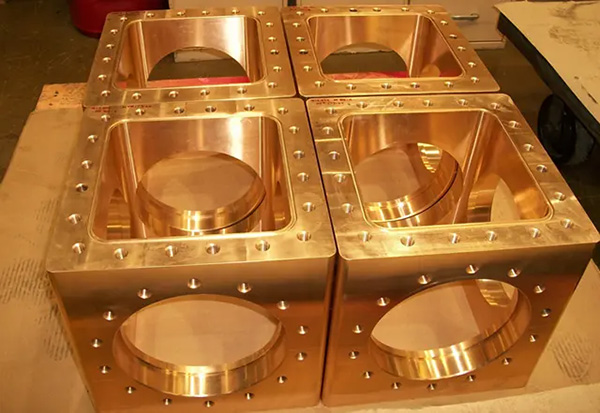
For companies sourcing copper-alloy components, fluctuations in raw material pricing can have a direct impact on manufacturing costs. Copper-based alloys are widely used in industrial applications because of their mechanical properties, corrosion resistance, and performance characteristics. However, when underlying metal prices increase, manufacturers must evaluate more than the initial cost of material.
Production efficiency, material utilization, machining requirements, and supplier reliability all contribute to the final cost of a component. Working with an experienced centrifugal casting supplier can help manufacturers evaluate these factors before committing to production.
Efficient Manufacturing Can Help Reduce Material Waste
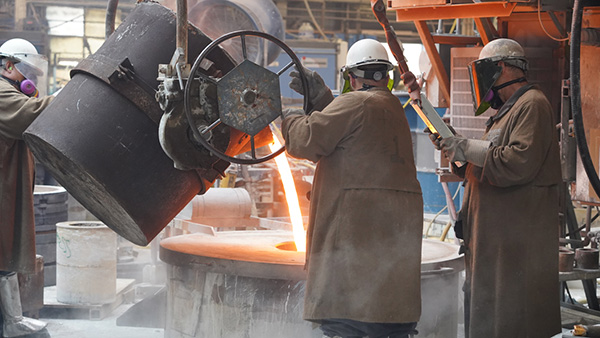
As raw material costs rise, manufacturing efficiency becomes increasingly important. Centrifugal casting offers several advantages for cylindrical and rotational components because molten metal is distributed against the inside wall of a rotating mold. This process allows manufacturers to produce hollow and cylindrical castings closer to their required geometry, reducing the amount of excess material that may otherwise need to be machined away. For suitable applications, centrifugal casting can help reduce:
- Raw material consumption
- Excess machining
- Material waste
- Overall manufacturing costs
These advantages become particularly valuable when producing components from higher-value copper-based alloys.
Alloy Selection Plays a Critical Role
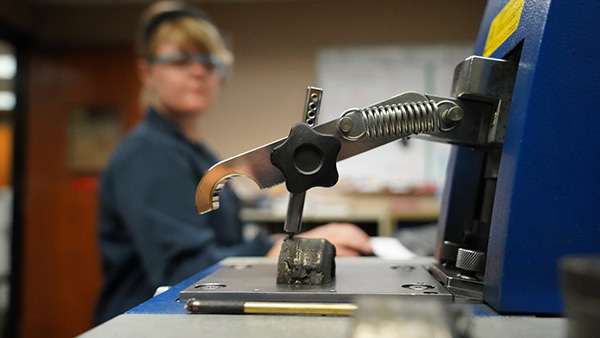
Not every industrial application requires the same alloy, and choosing the appropriate material can significantly influence component performance and overall cost. Depending on operating conditions, manufacturers may require materials with specific levels of:
- Corrosion resistance
- Wear resistance
- Mechanical strength
- Thermal conductivity
- Pressure and temperature resistance
An experienced foundry can help evaluate casting feasibility and potential material alternatives based on the application’s requirements. Johnson Centrifugal Technology specializes in centrifugal casting and works with manufacturers to evaluate copper-based alloy requirements for demanding industrial components.
Domestic Production Supports Better Planning
Global metal market uncertainty has also reinforced the importance of reliable manufacturing partnerships. Although domestic foundries remain exposed to international raw material pricing, working with a U.S.-based casting supplier can reduce some of the logistical challenges associated with importing finished components. Domestic manufacturing can provide:
- Closer communication with production teams
- Improved visibility into manufacturing schedules
- Greater flexibility when evaluating engineering changes
- Reduced dependence on international transportation
For manufacturers purchasing specialized components, these advantages can support more predictable project planning.
Supporting Industries That Depend on High-Performance Alloys
Copper-based alloys remain essential across numerous industries where reliability, durability, and material performance are critical. These include:
- Power generation
- Aerospace and defense
- Petrochemical processing
- Marine and industrial equipment
- Heavy machinery manufacturing
In these environments, selecting the right manufacturing process and material is just as important as securing a dependable supply.
Preparing for the Future of Metal Supply
As global demand for copper continues to evolve, manufacturers must take a more strategic approach to sourcing high-performance metal components. Material selection, production efficiency, and supplier reliability will remain important considerations as businesses navigate changing market conditions.
Johnson Centrifugal Technology supports manufacturers through specialized centrifugal casting capabilities, copper-alloy expertise, and dependable U.S.-based production. Whether you’re evaluating material alternatives, developing a new component, or reviewing your existing sourcing strategy, our team can help determine the right casting solution for your application.
Contact Johnson Centrifugal Technology today to discuss your project or Submit a Request for Quote to learn how domestic centrifugal casting can help strengthen your supply chain.
Posted by Rick Carrillo
sales@jct-usa.com
262-377-9440